Burst & Frozen Pipe Emergency Restoration — The Full Workflow
From the call through the handover packet. The whole workflow laid out.
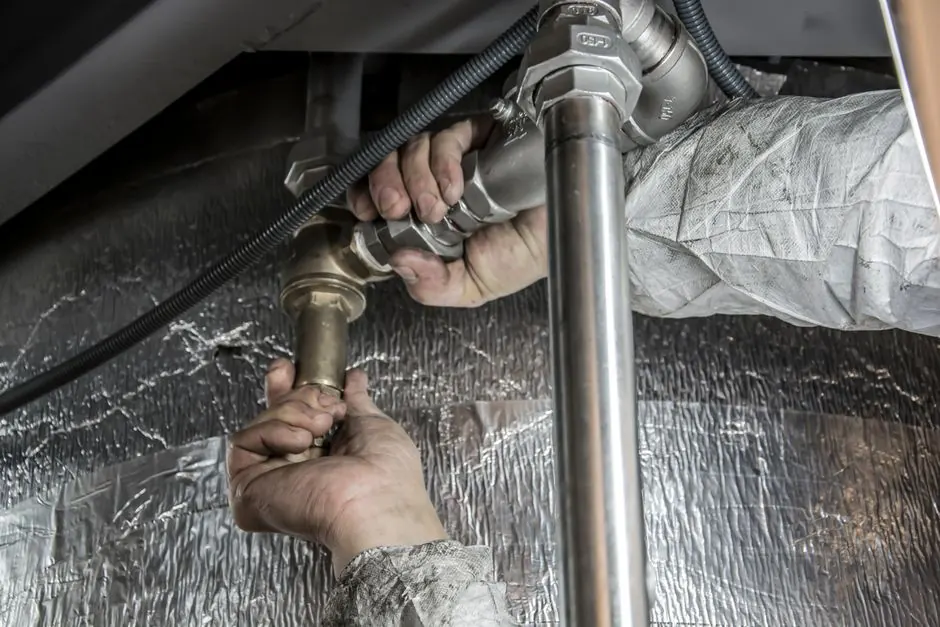
Phase 1 — The call
Call answered by a technician. Six to eight questions. Arrival window quoted. Pre-arrival instructions given. Truck dispatched.
Phase 2 — Arrival and assessment
Walk-through with homeowner. As-found photo documentation. Initial moisture mapping across affected zone and 10 feet beyond. Water category identified. Scope communicated.
Phase 3 — Extraction
Truck-mounted extraction of standing water and surface water. Submersible pumping where volume demands. Specialized attachments for hardwood, carpet, and hard flooring. Typically 1–4 hours depending on volume.
Phase 4 — Controlled demolition
Flood cuts on drywall where readings justify. Wet batt insulation removed. Base trim pulled and labeled. Content handling and relocation. Decisions made with the homeowner, with moisture readings, not guesswork.
Phase 5 — Drying setup
Containment where needed. Air movers positioned for laminar flow over wet surfaces. LGR or desiccant dehumidification sized to cubic footage. Portable heat added for cold structures. Monitoring instruments placed.
Phase 6 — Daily monitoring
Return every 24 hours. Fresh readings at documented points. Equipment adjusted. Status communicated to the homeowner daily. Continues until readings match the dry standard.
Phase 7 — Completion
Final walk-through with homeowner. Documentation packet delivered — as-found photos, moisture map, scope of work, daily drying log, equipment hours, final readings, materials inventory. Insurance paperwork submitted to adjuster.
Phase 8 — Reconstruction (optional)
If we're doing it: drywall, trim, flooring, paint, cabinetry back in place. If someone else is doing it: our documentation hands over cleanly.