Frozen Pipe Water Damage Restoration in Minneapolis, MN
The pipe froze, split, and now your house is flooding — or it will as soon as the ice plug melts. Frozen-pipe losses are their own category: the structure is cold, the material response is slower, the drying plan is different, and the insurance paperwork has its own rules. We handle all of it.
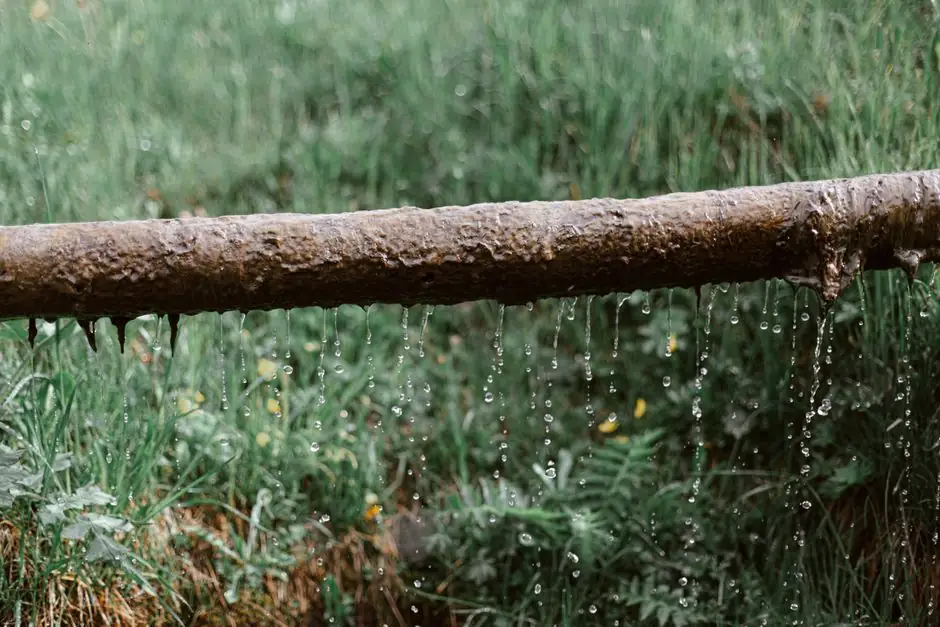
Why Minneapolis freezes pipes more than other cold cities
Three things conspire against Minneapolis plumbing between December and March: the sustained cold (we routinely see week-long stretches below zero), the deep frost line (60–90 inches in a normal year, deeper in cold years), and the age of the housing stock. About 40% of Minneapolis homes were built before 1940 and most were built without the exterior-wall insulation standards we'd use now. A kitchen supply line running up an uninsulated exterior stud bay on the north wall of a 1920s bungalow in Longfellow or Howe is a predictable annual failure.
The private service line from the Minneapolis Water Works curb-stop to the inside of your basement is the other recurring winter failure. In a deep-cold year the frost penetrates below the shallowest sections of these lines and they freeze solid. Sometimes they thaw uneventfully. Sometimes they split, and the split lets go the first time pressure resumes — which is often two or three days after the freeze event itself.
How a frozen pipe becomes a water damage loss
Water expands roughly 9% when it freezes. The ice forms a plug somewhere along the pipe; the pressurized water upstream of the plug continues to build pressure because water is nearly incompressible but keeps expanding at the freezing front. The split usually happens upstream of the plug, not at the plug itself. This is why the leak may be feet away from where the frost actually formed, and why a pipe that was running fine can rupture suddenly.
Critically, the water doesn't necessarily escape at the moment of the split. Often the ice plug seals the crack. When the plug melts — hours or days later, when the house warms or the cold snap breaks — water pressure resumes and the split now releases water at full flow. This is the "it's not leaking, we got lucky" trap. If a pipe froze in your house, assume it may fail during the thaw and check it actively.
Our restoration process for frozen-pipe losses
- Arrival and triage. We arrive in the quoted window. If the leak is still active and you weren't able to shut off the main, we isolate what we can and coordinate with a plumber for the pipe repair.
- Structural warming before drying. This is the critical difference from a summer loss. Dehumidifiers and air movers work on evaporation; evaporation depends on temperature. Drying a frozen structure at 40°F takes two to three times longer than drying the same structure at 70°F. We bring the structure up first with portable heaters and only then start aggressive drying.
- Extraction and demolition. Standing water out, flood-cut on affected drywall, wet insulation removed, trim labeled and pulled. Same process as any burst-pipe loss, with cold-weather modifications.
- Drying with daily monitoring. Air movers, LGR dehumidifiers for warmer conditions, desiccant dehumidifiers for anything we can't warm up adequately. Readings every 24 hours in documented locations.
- Prevention recommendations. Before we leave, we walk through what froze and why, and what you can do before next winter to reduce recurrence — insulation in the specific cavity, pipe heat cable where appropriate, cabinet-door openings on cold nights, drip strategy, whole-house humidity. These aren't upsells.
Frozen pipe vs. burst pipe — are these the same thing?
Related but not identical. A frozen pipe is a pipe currently iced solid; the water damage, if any, comes later when it thaws or splits. A burst pipe is any pipe that failed suddenly, from freezing or any other cause. In Minneapolis, more than 60% of the burst-pipe calls we take between December and March are caused by freezing. In summer, that number drops to near zero and the causes become joint failure, water hammer, or physical damage.
If your pipe is currently frozen but not yet burst, you need a plumber or thawing specialist — not us. If your pipe froze and then split, and water is now escaping or has recently escaped, you need both a plumber and us.
Frozen service-line damage — a Minneapolis specialty
The water service line from the curb-stop in the street to your basement is the homeowner's responsibility in Minneapolis. The main in the street is the city's. When the service line freezes deep in the ground, the city's Water Treatment & Distribution division can help confirm the freeze via thermographic imaging and water pressure measurements, and in some cases they assist with thawing. Repair of the line itself is on you — typically via a licensed Minneapolis plumbing contractor.
If your service line split during the freeze-thaw cycle and water escaped into your basement, we handle the water damage side: standing water removal, finished-area material drying, mechanical-room cleanup around the water heater and furnace area where service lines often enter, and documentation of the loss for your insurance claim. This is a common enough scenario in a deep-cold year that we have specific protocols for it.
Attic and crawl-space freeze failures
Second most common after service lines. Unconditioned attics with plumbing runs for second-story bathrooms, or crawl spaces with plumbing against an exterior rim joist, are vulnerable. The water damage from these is worse than you'd expect: an attic pipe splitting sends water down two floors through drywall, framing, and insulation; a crawl-space split often sits on the vapor barrier for hours before anyone notices and the moisture migrates up into the main floor subfloor.
See our attic pipe damage and crawl-space pipe damage pages for the specifics.
Insurance notes specific to frozen-pipe claims
A pipe freeze claim in Minnesota has one critical exclusion to be aware of: if the home was unheated when the freeze occurred, your carrier may deny the claim. Common language in Minnesota policies requires you to maintain heat and/or shut off the water supply if the property will be unoccupied during a freeze event. If you traveled and turned the heat down to 50°F and the pipe froze at 52°F house temperature, that's often still a covered loss. If you shut heat off entirely, it's usually not.
This is genuinely important and under-understood by Minneapolis homeowners. Our insurance guide covers the specific policy language to look for.
What you can do before next winter
- Find and label your main shut-off. If you don't know where it is, find it this weekend. In a leak emergency you may have 30 seconds to close it.
- Insulate exposed plumbing. Foam pipe sleeves on supply lines in unconditioned spaces — basements near windows, crawl spaces, garage walls with plumbing, attics.
- Seal exterior wall penetrations. Cold air entering at the mudsill, around service-line entries, or at dryer vents chills exterior-wall plumbing. Caulk and foam.
- Drip during extreme cold. On nights below -10°F, let a pencil-thin stream run at the faucet on the coldest exterior wall. Moving water doesn't freeze as easily.
- Open cabinet doors. Sinks on exterior walls — kitchen, bath — benefit from warm room air reaching the supply lines on sub-zero nights.
- If you travel, don't turn heat off. Set to 55°F minimum. Have someone check the house every day or two.
- Consider pipe heat cable. For a pipe that has frozen before in the same spot, UL-listed pipe heat cable installed per manufacturer directions is a reasonable solution.
Related services & locations
Burst Pipe Damage
If freeze preceded a rupture.
Main Water-Line Damage
Service-line failures.
Attic Pipe Damage
Attic freeze specifics.
Crawl-Space Damage
Crawl-space freeze specifics.
Basement Burst Pipe
Flooded basement.
Structural Drying
Cold-structure drying.
FAQ
How cold does it need to get before pipes start freezing in Minneapolis?
There's no single number because it depends on where the pipe is in the house, what's around it, and how long the cold lasts. Pipes in truly uninsulated exterior walls can freeze at outdoor temperatures around 20°F with wind. Service lines in the ground start to freeze when frost penetrates past 36 inches, which happens in a cold Minneapolis winter by late January. Most of our calls come in during stretches of several days below zero.
Can I use a hair dryer to thaw a pipe?
A hair dryer or heat gun applied carefully is generally safer than a propane torch (please don't use a torch — it melts solder, starts fires, and scorches framing). Work from the faucet back toward the frozen section so melt water can escape. Keep the faucet open. Don't use direct flame, and don't leave a heat source unattended. If you can't get to the frozen section, call a plumber.
The pipe froze but didn't burst. Am I okay?
Maybe. Inspect carefully once it thaws — look for drips, hairline cracks, or the pipe weeping along its length. Run water through that section and watch the walls around it. If anything is damp that wasn't damp before, call us. Some splits only become apparent under pressure.
My pipe froze while I was away and the house was at 50°F. Is my claim covered?
Usually yes, if heat was on and maintained reasonably. Check your specific policy for the minimum interior temperature required during unoccupied periods — some carriers specify 55°F or 60°F for extended vacancies. Document that heat was on (smart thermostat logs, utility bill, neighbor testimony) and work with your adjuster.