Frozen Pipe Water Damage Restoration in Minneapolis
What restoration actually looks like after a Minneapolis winter pipe freeze and split — including the specific technical differences from a summer-loss restoration job.
Updated January 2026 · MH Water Rescue Minneapolis
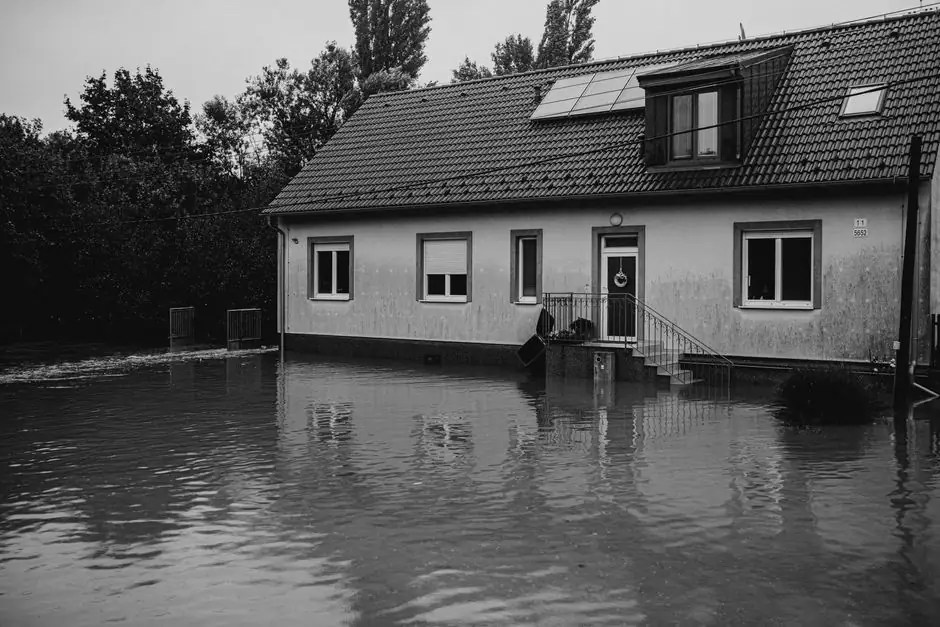
Why "frozen pipe water damage" is its own category
A pipe freeze loss is restoration work with specific wrinkles. The structure is cold — often significantly below the temperature at which conventional LGR dehumidification works effectively. The failure point is frequently inside an exterior wall where the pipe froze, which means the drying has to reach into a cold cavity. And the failure often doesn't present during the cold snap — it shows up during the thaw, days later, with water now flowing at full pressure from a split that was hidden by an ice plug.
The sequence of a typical freeze-loss day
Call comes in during a thaw, often 36–48 hours after the deepest cold. Homeowner found water in the basement, or heard water running when nothing was on. Pipe is now actively leaking through a crack that opened during the freeze. Plumber is on the way or already there.
We arrive, assess, and start differently than we would on a summer loss. First we check structural temperature. If the house is at 48°F because the furnace has been fighting a losing battle or because heat was reduced to protect against further freezing, we bring in portable heat and raise the ambient to 65–70°F before deploying dehumidification. Evaporation depends on temperature; drying a cold structure with the equipment we use on a warmer loss wastes days of equipment time.
We extract. We flood-cut the lower drywall where water migrated down stud bays. We pull wet batt insulation — fiberglass that's taken on water will never dry back usefully and will hold the cavity wet. We remove base trim with labels so it can go back in the same place.
We set up drying with air movers establishing laminar airflow across every wet surface, and either LGR or desiccant dehumidifiers depending on the ambient conditions. Desiccant units work in cold conditions where LGR output drops. For heavy-material assemblies — plaster-and-lath walls common in pre-1940 Minneapolis homes — we may add targeted heat and extended drying time.
Daily moisture monitoring
Every 24 hours we return, take readings at the same documented points, and adjust. We're looking for materials to reach the equilibrium moisture content of unaffected areas of the same structure. For wood framing in a Minneapolis house in January that's usually around 8–11% by weight; for drywall it's a different scale read by a pinless meter. The specific target varies by structure.
Timeline
A typical residential freeze-loss restoration runs four to seven days of drying — longer than the three to five we quote on a summer loss. Cold structures dry slower; heavy materials dry slower; frozen service-line losses that affected a basement mechanical room may push past seven days because of the slab mass.