Water Heater Pipe Water Damage in Minneapolis
Water heaters fail predictably. The average residential tank lasts 8–12 years and almost always starts leaking at either the tank seam, the T&P relief valve, or the inlet/outlet connections. Most failures happen in the basement, overnight, with no one awake to notice. We handle the water damage from any of those scenarios.
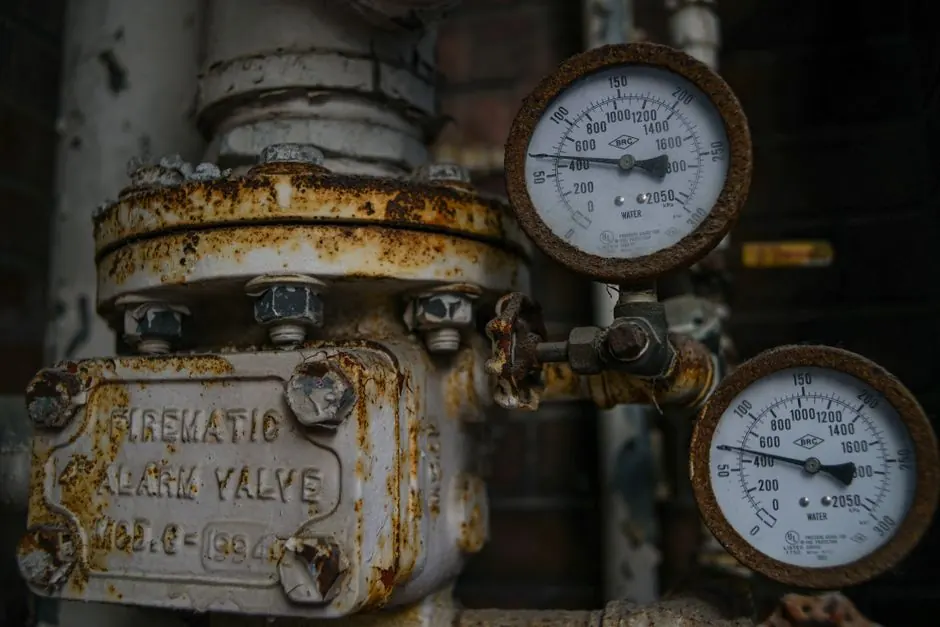
The common water heater failure modes
- Tank rupture. The steel tank corrodes from the inside once the sacrificial anode is depleted. When it fails it releases the full tank contents (40–80 gallons) plus everything the still-open supply line continues to feed until someone shuts it off.
- T&P (temperature & pressure) relief valve discharge. The safety valve on top of the tank opens when temperature or pressure exceeds safe limits. Sometimes it fails open and dribbles continuously; sometimes it opens suddenly from a thermostat failure and dumps significant water fast.
- Inlet/outlet connection failures. The flex connectors or hard-piped connections to the top of the tank corrode or loosen and drip.
- Drain valve leak. The brass or plastic drain valve at the bottom weeps or fails open.
- Tankless unit internal failure. Tankless heaters have small internal copper coils that can split from scale buildup, hard-water corrosion, or freeze if the unit is in an unconditioned space.
What typically happens on a water heater failure
The common pattern: homeowner notices water in the basement at 6 a.m., discovers the water heater is the source, shuts off the water and gas (or power), and the floor is wet in a 20-foot radius around the unit. Volume depends on whether it was a slow weep that ran all night (could be hundreds of gallons) or a sudden rupture caught in the act (the tank contents plus whatever came through before shutoff).
Mechanical rooms are typically unfinished — concrete floor, exposed framing, electrical panel, furnace, maybe a laundry area — so the water damage scope is often limited to the mechanical room floor and adjacent drywall or storage. But if the room is in a finished basement, the water may have migrated into the carpet, through base plates into adjacent framed walls, or down to a lower slab area.
Our process
- Standing water extraction and pumping if needed.
- Documentation of the as-found condition including the failed tank or connector.
- Moisture mapping across the mechanical room and into adjacent spaces.
- Removal of unsalvageable materials — saturated drywall at base plates, soaked carpet pad if the loss reached finished areas, wet batt insulation.
- Drying setup — this is often a cold basement so desiccant dehumidification may be used.
- Water heater disposal (if replaced) in coordination with the plumber installing the replacement.
- Full documentation for the insurance claim.
Insurance on water heater losses
Water heater failures are usually covered as sudden-and-accidental. The water damage, including damage to adjacent materials, contents, and finished spaces, is typically covered. Some policies cover the water heater itself within equipment sublimits; others don't. If the water heater is past typical useful life (12+ years) adjusters may question whether the failure was truly "sudden" versus foreseeable — this rarely wins as a denial but can affect how the claim is reserved.
Related services
Basement Damage
Where most tanks live.
Burst Pipe Damage
Parent service.
Appliance Damage
Related appliance losses.
Emergency Extraction
Water removal.
Structural Drying
Mechanical room drying.
Floor Damage
Flooring restoration.