Fire Sprinkler Pipe Water Damage Cleanup
Accidental sprinkler discharge or a frozen sprinkler line in a Minneapolis condo tower, apartment building, office, or warehouse is one of the most destructive water events a building can experience. Hundreds of gallons per minute, multi-floor migration, hours before someone can reach the fire-system shutoff. We respond to exactly this kind of event.
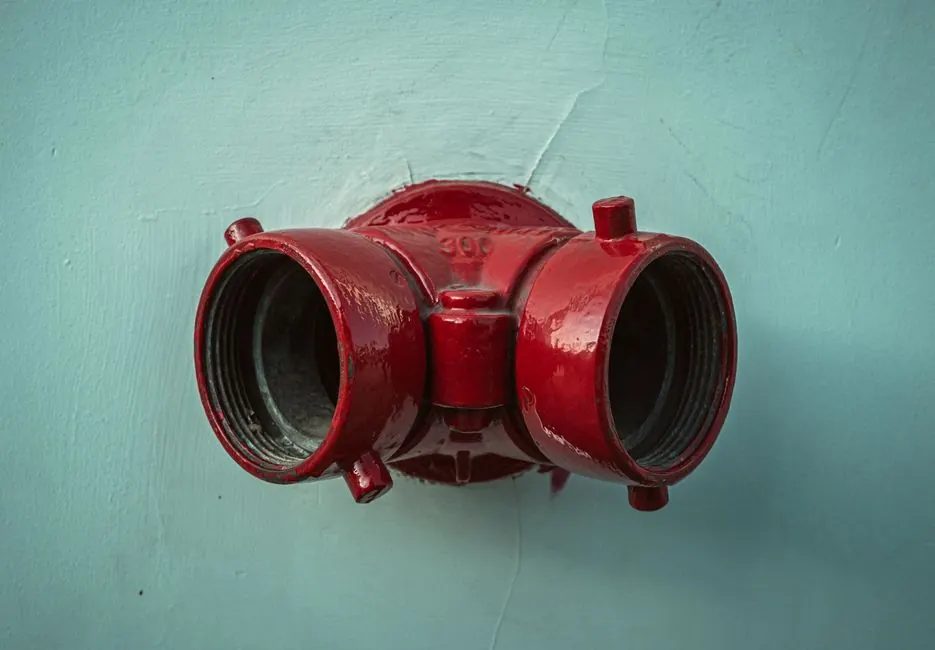
How fire sprinkler systems fail
- Frozen sprinkler line. Wet-pipe sprinkler systems have water in the line continuously. In exterior soffits, unconditioned attics, parking garage ceilings, and other cold spaces, these can freeze and split during Minneapolis winters.
- Accidental head activation. A sprinkler head physically damaged by furniture, construction work, or impact. The head releases its pressurized supply at full flow.
- Corroded fitting failure. Older wet-pipe systems develop corrosion-driven pinhole leaks and occasionally joint failures.
- Pressure regulator failure. On a high-rise fire system, over-pressure can rupture lines on upper floors.
- Heat-activation from a non-fire source. Heat-sensing heads that trigger from a space heater, cooking fire, or other localized high temperature.
Volume and migration
A standard fire sprinkler head releases 15–25 gallons per minute. Once activated, the head continues to flow until the system is manually shut off at the fire control valve — typically in the building's mechanical room. In an occupied office or condo, that shutoff may take 15–30 minutes from first alarm. That's 300–750 gallons from a single head. If multiple heads activated or the failure is on a trunk line, volume goes up proportionally.
Water migrates through floor penetrations, down elevator shafts, down stair wells, through HVAC duct chases, and along cable trays. A sprinkler event on the 7th floor of a Downtown Minneapolis condo tower routinely affects units on floors 1 through 6.
Our response to sprinkler events
- Rapid multi-crew dispatch. Sprinkler events require a larger initial response than a residential loss — multiple trucks, extraction teams, and equipment.
- Coordination with the building's fire-system contractor to confirm the system is isolated and will not re-activate during mitigation.
- Floor-by-floor extraction starting at the top and working down.
- Containment by unit to allow drying to proceed independently in each affected space.
- Documentation per unit and per common area for insurance claim breakdown.
- Coordination with the HOA, property management, or building owner for authorization and access.
- Full restoration with drying in each affected space.
Who owns the claim
In a multi-unit sprinkler event, there are usually multiple insurance policies in play: the HOA/building master policy covers common areas and often the structural components; each unit owner's HO-6 condo policy covers unit interiors; each tenant's renter policy covers contents. Commercial buildings have building and contents policies. We work with all parties and document the loss in a way that separates out the affected zones and materials so each policy can be billed appropriately.
Prevention
For building owners and managers: ensure all sprinkler-system pipes in unconditioned spaces (exterior soffits, unheated attics, parking garages) are either on dry-pipe systems, are properly insulated, or have heat trace. Have the fire-system contractor inspect during the first cold snap each year.
Related services
Commercial Burst Pipe
Related commercial scope.
Apartment & Condo
Multi-unit coordination.
Ceiling Damage
Downward migration.
Emergency Extraction
Large-volume removal.
Structural Drying
Multi-unit drying.
Frozen Pipe Damage
Freeze-caused events.