Toilet Supply-Line Water Damage Cleanup
Braided stainless-steel toilet supply hoses fail, angle stops seize and split, and tank-to-bowl bolts corrode and leak. Any of these can release clean water for hours overnight. The usual outcome: a bathroom floor, a hallway, and often the room below all affected.
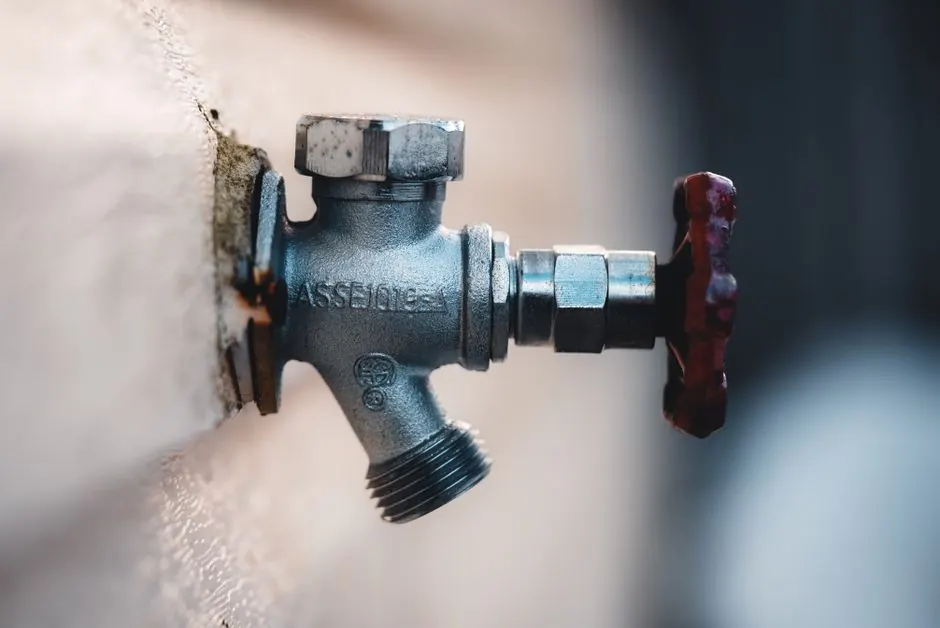
The common toilet-side failures
- Braided supply hose rupture. The flex line between the angle stop and the toilet tank. Rubber-lined braided hoses fail at the crimp; some lower-quality ones split along the hose length.
- Angle stop valve leak. The shut-off valve behind the toilet weeping at the packing nut or failing open.
- Tank-to-bowl bolt leak. The gasket between the tank and the bowl can fail and release water onto the floor during each flush.
- Fill valve or flapper fault. Constantly running toilet that spills over the rim if combined with a stuck flapper and a blocked drain.
- Wax ring failure at floor flange. Water (and other things) seep from under the toilet into the subfloor.
Is the water "clean" or "contaminated"?
Water from the supply side of the toilet — the line feeding the tank, and the water in the tank itself — is clean, Category 1 under the IICRC S500 standard. Water from the bowl side, especially after use, is Category 2 or Category 3 depending on contents. For toilet supply-line failures (hose, angle stop, tank-to-bowl, fill valve), the water is clean at the source but can degrade to Category 2 after sitting for 24 hours in contact with flooring materials. For wax-ring failures and bowl overflows, water is treated as contaminated from the start.
Our process
- Shut off, in coordination with a plumber for repair.
- Extraction of standing water from the bathroom and any migrated areas.
- Source assessment — determine water category and adjust approach.
- Floor assessment — tile floors usually survive with grout-line and perimeter extraction; vinyl and laminate often have water trapped underneath; carpet (in some older bathrooms) usually comes out.
- Downstairs ceiling check if the bathroom is on an upper floor — moisture migration is very common with toilet-area losses.
- Drying with containment to contain odor and moisture.
- Documentation and reconstruction scope.
Common migration patterns
Toilet supply-line losses on an upper floor commonly affect the ceiling of the room directly below (dining room, kitchen, living room) and the exterior wall adjacent to the bathroom. We check all of these every time, because the damage is often larger than the bathroom itself.
Related services
Appliance Supply-Line
Related failures.
Ceiling Damage
Migration to floor below.
Floor Damage
Bathroom flooring.
Wall Damage
Adjacent wall damage.
Hidden Moisture
Finding migrated water.
Burst Pipe Damage
Parent service.