Boiler & Radiator Pipe Leak Water Damage
Many older Minneapolis homes heat with hot water — cast-iron radiators, steam systems, or baseboard hydronic loops fed by a boiler. When those systems leak, the water that comes out is treated with corrosion inhibitors and sometimes glycol, which complicates cleanup.
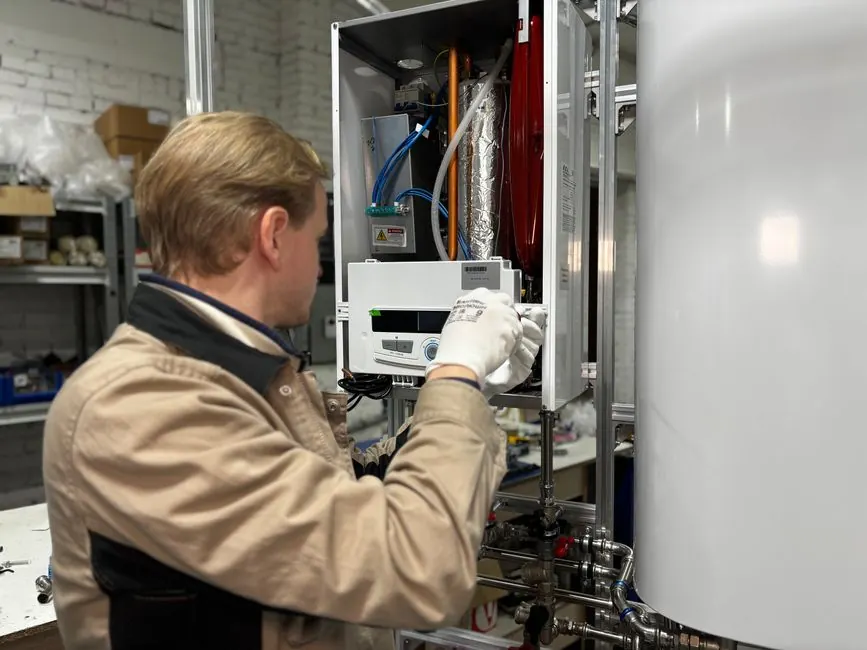
Boiler & hydronic system failure types
- Radiator leak. Cast-iron radiators in prewar Minneapolis homes can develop leaks at the section joints, at the air vent on top, or at the shutoff valve. Small drips to section-spanning splits.
- Boiler itself leaking. Boiler tanks, heat exchangers, or associated piping can develop pinhole leaks, usually from internal corrosion.
- Expansion tank failure. Hydronic systems have expansion tanks that can fail and release pressurized water.
- Pressure relief valve discharge. The boiler's safety relief opens when system pressure exceeds safe limits — discharge pipe routes to the floor or drain.
- Baseboard hydronic leak. Finned-tube baseboard heaters have copper tubing that can split from freezing if the boiler fails during a cold period.
- In-floor radiant leak. PEX or copper radiant tubing embedded in a slab or gypcrete can develop pinhole leaks — a specialty slab-leak scenario.
What's in the water
Closed-loop hydronic systems typically contain water plus corrosion inhibitors (often iron-based) that can stain carpet and flooring when the system leaks. Systems with glycol antifreeze (common in sub-zero zones or buildings with unheated sections) carry glycol-contaminated water. Steam system water is high-temperature and can cause burn injury during a failure. None of these are Category 3 contaminated, but they require additional cleaning steps beyond what a clean-water supply leak needs.
Our process
- Verify the system is isolated (closed valves or system shut down) before mitigation starts. Coordinate with the heating contractor.
- Extraction and containment, standard.
- Water testing if glycol is present — glycol residues require additional rinsing of affected materials.
- Stain removal from carpet and hard surfaces where corrosion-inhibitor staining has occurred.
- Standard drying workflow with attention to the specific materials affected.
- Heating-system restart coordination — the home may be without heat during the repair. In cold conditions this creates its own water-damage risk (frozen supply pipes); we may need to provide temporary heat during the repair period.
The winter complication
A boiler leak in January means the heating system is down while repairs happen. In a Minneapolis winter, a house without heat for more than a few hours risks frozen supply pipes — a secondary water loss layered on top of the first one. We bring in portable heaters where needed to keep the structure above 50°F while the heating contractor works.
Related services
Pipe Leak Restoration
Related slow leaks.
Ceiling Damage
Upstairs radiator leaks.
Floor Damage
Stained flooring.
Basement Damage
Where boilers live.
Frozen Pipe Damage
Related winter damage.
Structural Drying
Drying with heat loss.