Broken & Leaking Pipe Cleanup
After the plumber has fixed the pipe — what we do about the water that already escaped.
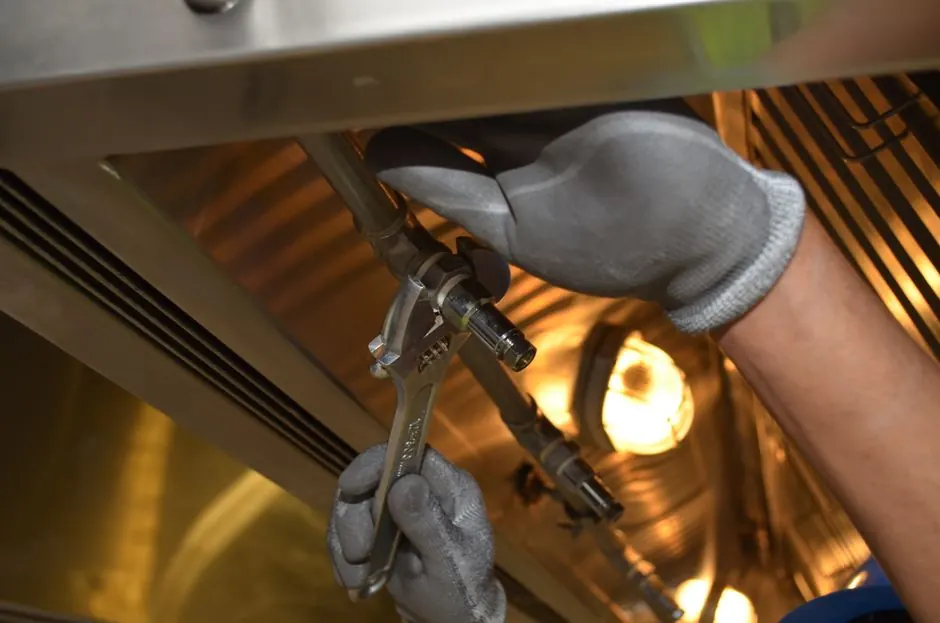
The plumber is done. Now what?
Pipe repair stops the leak. It does not extract the water that already got out, dry the wet materials, remove unsalvageable drywall and insulation, document the loss for your insurance, or prevent mold growth over the next 72 hours. That's cleanup — a different job with different equipment and different training.
Homeowners who skip the cleanup phase after plumbing repairs typically find out six to twelve months later: musty smell that won't go away, soft drywall at the base of a wall, mold behind a kitchen cabinet, or buckling flooring where the subfloor never fully dried.
What cleanup involves
- Full moisture mapping across the affected zone and 10 feet into adjacent areas.
- Extraction of remaining water in materials — the plumber's mop-up addressed surface water; we address what wicked into carpet pad, subfloor, and wall base.
- Content inventory and handling — soft goods dried or relocated.
- Removal of unsalvageable materials guided by moisture readings — wet batt insulation, flood-cut drywall sections, swollen MDF trim.
- Drying setup — air movers and dehumidifiers for the 3–5 days required to bring materials to dry-standard readings.
- Daily monitoring.
- Sanitization and antimicrobial treatment of surfaces after drying.
- Documentation handoff for insurance.
Why hire this out
You can run your own fans and dehumidifier after a pipe repair, and for small losses with quick plumber response, that's sometimes enough. For anything that produced visible water on floors, soaked contents, migrated into walls, or left a musty smell, the DIY approach rarely dries the structure to the standard that prevents mold. Our equipment pulls far more moisture per day, and our monitoring verifies you're actually done rather than just appearing done.