Apartment & Condo Burst Pipe Water Damage Restoration
A pipe failure in a multi-unit building affects multiple owners, multiple policies, and almost always the HOA or building management. We handle the water-damage side and the coordination side — because in multi-unit losses the coordination is often harder than the mitigation.
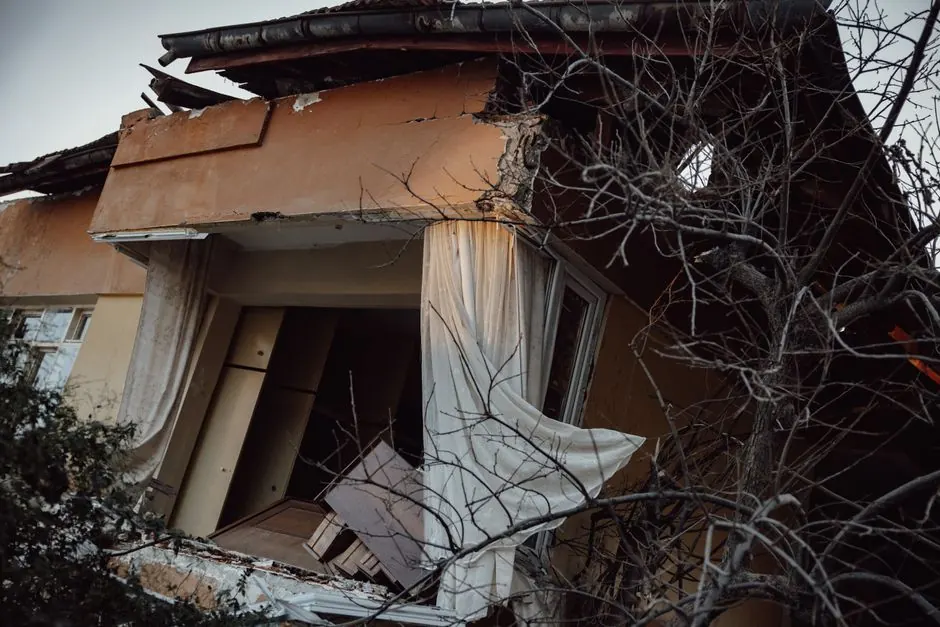
The multi-unit water damage problem
Water in a single-family home affects one owner and one policy. Water in an apartment building, a condo tower, or a townhome complex affects as many as a dozen units, three or four insurance policies per loss, the HOA master policy, the building owner (in rental buildings), the property management company, and potentially commercial tenants on lower floors. Each has different coverage, different deductibles, different authorization paths, and different interests.
This is why multi-unit water losses have a reputation for taking longer and costing more than they should. The water-damage work isn't any harder; the coordination is.
Common multi-unit scenarios
- Supply line failure on an upper floor migrates down through two or three units below
- Shared wall plumbing fails between adjacent units
- Fire sprinkler discharge affecting a wing of a building
- Water main failure in a shared mechanical room affecting ground-floor units
- Winter freeze events in exterior-wall plumbing of walk-up apartment buildings
- Tenant-caused loss (toilet overflow, bathtub left running) affecting multiple units
How we handle the coordination
- Single point of contact for the building — usually property manager or HOA board member — handles authorization, access, and tenant communication.
- Per-unit documentation. Each affected unit gets its own folder — photos, moisture map, scope, drying log — for its owner's insurance claim.
- Separate common-area documentation. Hallways, stairwells, shared walls, mechanical rooms document separately for the HOA master policy.
- Coordinated drying setup. We may set up containment at the unit boundary and run air movers and dehumidifiers simultaneously in each affected unit.
- Daily status report to the property manager covering every affected unit's progress.
- Coordination with multiple insurance adjusters where needed.
Who pays for what — typical patterns
Not legal or claims advice, but a general framework we see on Minnesota condo and apartment losses:
- HOA master policy typically covers structural components, building envelope, common areas, and often standard unit interiors (varies by HOA documents — "bare walls" vs "all-in" coverage).
- HO-6 condo owner policy covers interior improvements, personal property, loss assessments from the HOA, and liability.
- HO-4 renter policy covers personal property and liability in rental units.
- Commercial tenant policy covers tenant improvements and business property in commercial condos or commercial tenants of mixed-use buildings.
The source of the loss usually determines whose policy pays first. A failure in a supply line in the wall between units is often the HOA's. A failure of a fixture within a unit (toilet supply line, sink angle stop) is usually the unit owner's.
Related services
Commercial
Commercial scope.
Sprinkler Damage
Related fire-system events.
Ceiling Damage
Downward migration.
Downtown MPLS
High-rise response.
Structural Drying
Multi-unit drying.
Reconstruction
Unit-interior rebuild.